Learn: ETPs, ETNs & Exchange-Traded Crypto
Exchange-traded products are the bridge between a normal brokerage account and a digital asset. This is where we explain the wrappers — what they are, how they differ, and what risks ride along with each structure. Start with the fundamentals and work down.
ETP, ETF, ETN, ETC: the acronyms hide a few simple ideas. An exchange-traded product is any security that tracks something else and trades on an exchange like a share; the differences come down to what sits inside the wrapper and who actually owns the underlying asset. Getting that distinction right is what separates a fund you own outright from a note that carries the issuer’s credit risk — and it’s exactly what these explainers unpack in plain English.
The core explainers #
- What does ETP mean? — the umbrella term for ETFs, ETNs, and ETCs traded on an exchange.
- ETP vs ETF — why every ETF is an ETP but not every ETP is an ETF.
- ETN vs ETF — the debt-vs-fund distinction that matters most for crypto.
- What is an ETN? — exchange-traded notes, counterparty risk, and where crypto fits.
- Crypto treasury stocks explained — how Strategy and its copycats turn a listed company into a leveraged coin wrapper.
Single-asset ETF guides #
- US spot Solana ETFs — the nine funds, fees, staking and flows.
- US XRP ETFs compared — six spot funds from 0.19% to 0.75%, with SEC-filed AUM and the flow record.
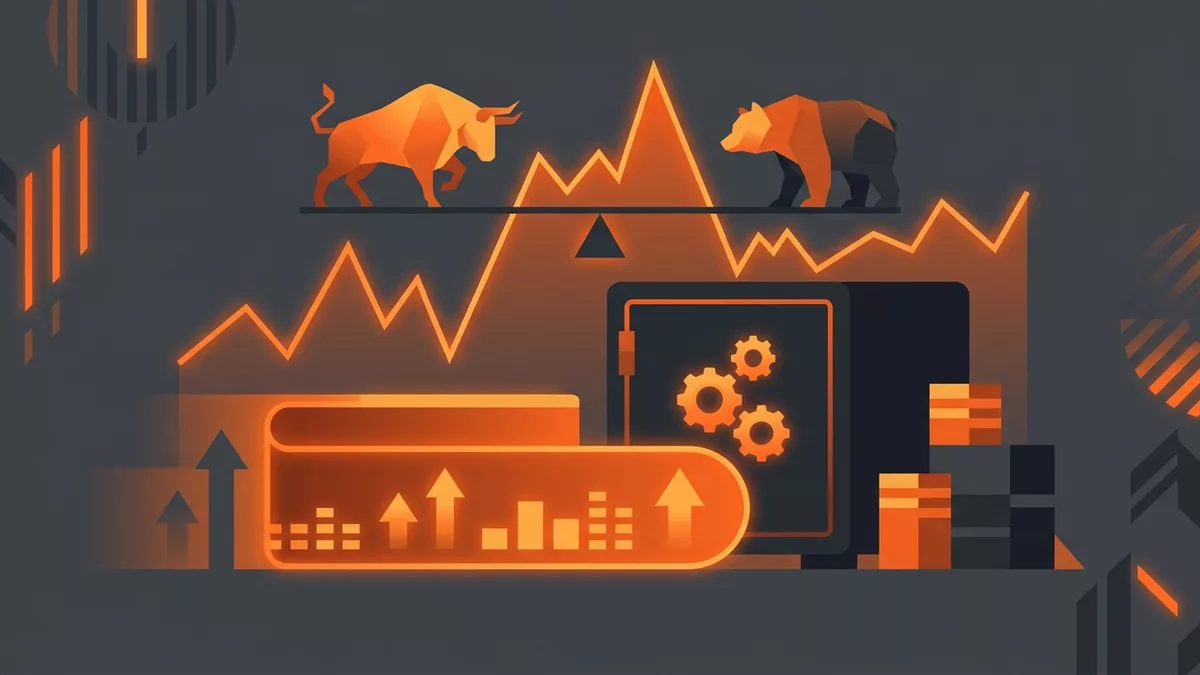
- Is XRP a good investment? — bull case, bear case and the $10 arithmetic.
- Solana price prediction 2030 — what Standard Chartered, VanEck and Bitwise actually published, and the market-cap math behind each number.
- US Dogecoin ETFs — four tiny funds, one closing in October, and what that says about demand.
- XRP ETF flows tracker — daily and weekly flows through the CLARITY Act vote, updated as the data comes in.
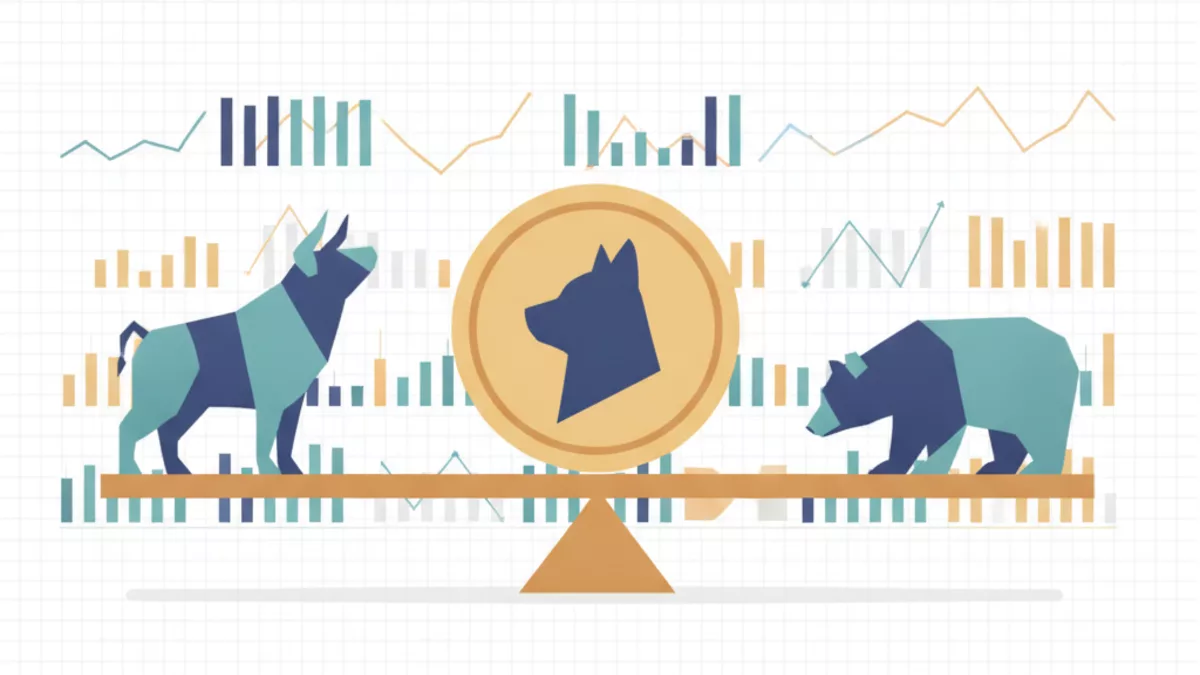
- Is Dogecoin a good investment? — 87% below its peak, 5 billion new coins a year, and what the ETF flop says.
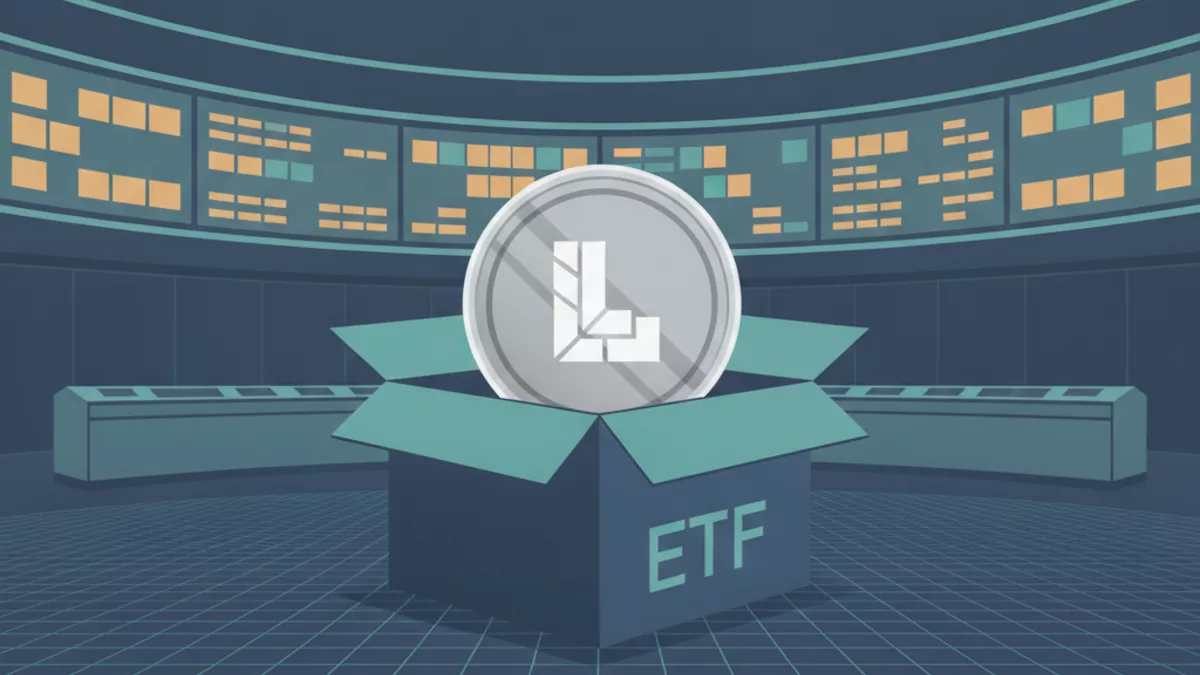
- Litecoin ETF — LTCC is the only live fund; Grayscale’s LTCN conversion is still pending.
Each explainer ends by connecting the structure back to one practical question: what is the regulated, brokerage-account way to actually hold crypto?